
Sewage backups are more than just an inconvenience—they can cause significant damage to your property, disrupt daily life, and lead to costly repairs. Fortunately, there are practical steps you can take to prevent sewage backups and protect your home from the associated problems. Regular maintenance and proactive care can save you from the stress and financial burden of dealing with a sewage disaster.
Here’s a guide on how to safeguard your home from potential sewage backups and ensure your plumbing systems run smoothly.
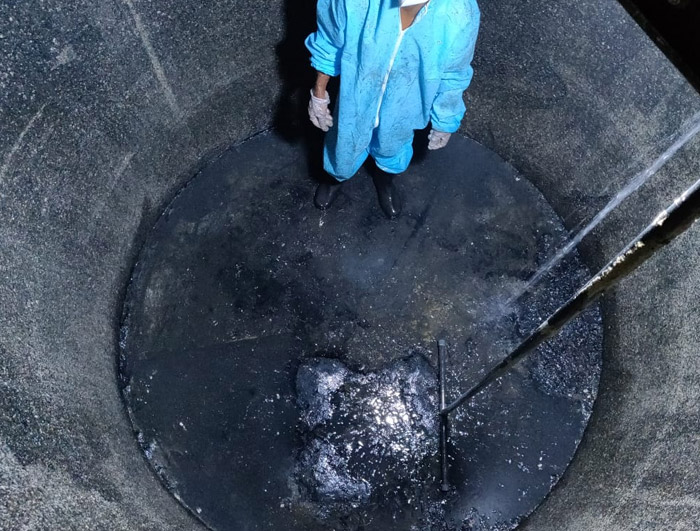
One of the most effective ways to prevent sewage backups is to schedule regular sewage cleaning services. Over time, debris, grease, and other materials can accumulate in your pipes, leading to blockages that cause sewage waste to back up into your home. A professional sewage cleaning service can clear out these blockages and ensure that your plumbing is functioning efficiently.
Routine cleaning helps identify early warning signs of potential clogs, preventing the need for costly emergency repairs later. It’s advisable to book sewage cleaning every 1–2 years, especially if you live in an older home with aging pipes.
Many people flush items that don’t belong in the toilet. Wipes, sanitary products, and other foreign objects can cause severe blockages, resulting in sewage waste backups. Only flush toilet paper and dispose of everything else properly.
Remind household members and guests about what should and shouldn’t be flushed. Small preventive steps can go a long way in maintaining your plumbing system and avoiding expensive repairs.
If you want a long-term solution to avoid future sewage backups, installing a backflow prevention valve is a smart investment. These devices ensure sewage waste flows only in one direction—out of your home—while preventing it from flowing back in during a clog or flooding event.
Although installation requires an initial cost, it is a highly cost-effective way to avoid major damage and cleanup expenses caused by sewage backups.
Blocked drains are a common cause of sewage backups. Regular drain cleaning helps keep waste flowing properly and reduces the risk of blockages. Use drain screens to catch debris, hair, and soap scum, and consider using eco-friendly cleaners to avoid pipe damage.
Slow drainage or unusual odors are warning signs of developing clogs—address them before they escalate into backups.
Your sewer line transports waste from your home to the municipal system. Over time, tree roots, soil movement, and aging pipes can cause leaks and blockages. Scheduling a sewer line inspection helps identify issues early.
Professionals use video cameras to detect problems before they become major, helping you avoid costly sewer line repairs or replacements.
Heavy rainfall can overwhelm local sewer systems and increase the chances of sewage backups, especially in flood-prone areas. Installing a sump pump can help divert excess water away from your foundation and prevent backups.
Also ensure proper property grading so water drains away instead of pooling near your home. Proper drainage is crucial during storms.
Grease, oil, and fats solidify when cooled and create stubborn clogs in your pipes. To avoid backups, never pour grease down the kitchen drain. Dispose of it in a container instead.
If you experience slow kitchen drainage, it may be a sign of grease buildup—use proper tools or call a plumber to clear it safely.
By following these simple yet effective strategies, you can reduce the chances of experiencing sewage backups and the costly damage that comes with them. Regular sewage cleaning, cautious drain habits, preventive devices like backflow valves, and proper sewer maintenance all contribute to a safer, more efficient plumbing system.
It’s always better to take preventive action than deal with the aftermath of a sewage emergency. With the right care, you can protect your home from chaos and unexpected expenses.
If you need expert help with sewage cleaning or plumbing services, reach out to professionals who specialize in sewage waste management. Staying proactive will keep your home safe and functioning smoothly.

Committed to delivering efficient wastewater collection and treatment, we ensure clean and sustainable solutions for a healthier future.