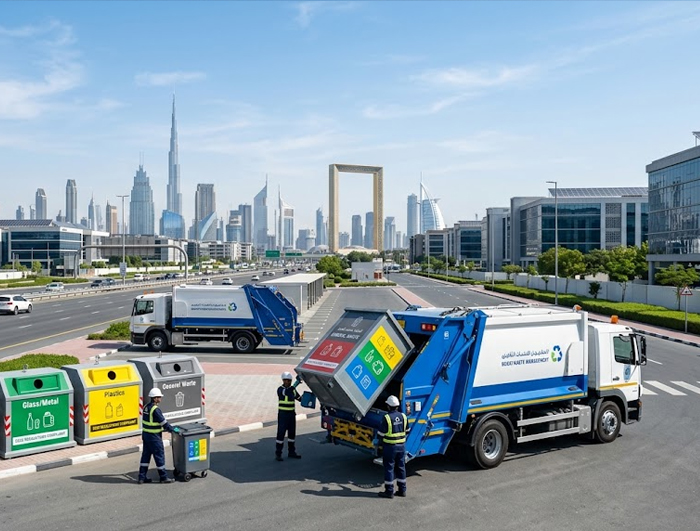
Dubai Waste Disposal Regulations in 2026
What Businesses Need to Know
Home | Blog
Dubai has established itself as one of the world's fastest-growing business hubs, attracting companies from industries such as hospitality, construction, manufacturing, healthcare, retail, and real estate. With this rapid growth comes an increasing responsibility to manage waste effectively and protect the environment.
In 2026, businesses operating in Dubai are facing stricter requirements related to waste handling, recycling, transportation, and disposal. Understanding the latest Waste disposal Dubai regulations is essential for companies that want to maintain compliance, avoid penalties, and contribute to the city's sustainability vision.
Waste management is no longer limited to collecting garbage and sending it to disposal facilities. Modern waste practices focus on segregation, recycling, responsible transportation, environmental protection, and efficient resource recovery.
Businesses are now required to work with professional service providers that understand Waste management laws UAE and follow approved disposal methods. From restaurants and commercial buildings to industrial facilities, every organization has a responsibility to manage waste according to Dubai's environmental standards.
This guide explains the key aspects of Waste disposal Dubai regulations in 2026, including business responsibilities, compliance requirements, and the importance of choosing a reliable Waste disposal company Dubai.
Dubai's waste management framework is designed to reduce landfill dependency, increase recycling rates, and promote sustainable practices across all industries.
The updated approach to Waste disposal Dubai focuses on:
Businesses generating waste must ensure that their waste is collected, transported, and disposed of through approved channels.
Whether a company produces commercial waste, industrial waste, or liquid waste, following proper disposal procedures is a legal and environmental responsibility.
Companies that ignore waste regulations may face operational issues, financial penalties, and damage to their reputation.
The Waste management laws UAE provide a structured approach for controlling waste generation and ensuring safe disposal practices across different sectors.
These regulations help:
Businesses must understand their responsibilities under the Waste management laws UAE to avoid compliance issues.
For example, commercial establishments cannot simply dispose of mixed waste without considering recycling requirements. Companies must implement proper segregation methods and ensure waste reaches authorized facilities.
The growing focus on sustainability means businesses are expected to maintain better waste records and demonstrate responsible waste handling practices.
Commercial properties generate large amounts of waste every day. Shopping malls, hotels, restaurants, offices, and retail centers require specialized waste solutions to maintain cleanliness and comply with regulations.
Commercial waste disposal UAE involves:
Businesses must identify different waste categories and handle them separately whenever required.
Common commercial waste includes:
Professional Commercial waste disposal UAE providers help businesses create efficient waste management systems that reduce environmental impact.
Hotels and restaurants, for example, are increasingly adopting food waste reduction programs and recycling initiatives to meet sustainability objectives.
Industrial facilities generate complex waste streams that require specialized handling. Manufacturing units, warehouses, construction companies, and factories must follow strict procedures for waste storage, transportation, and disposal.
Industrial waste management Dubai focuses on:
Industrial businesses must ensure that waste does not create risks for workers, communities, or the environment.
A professional approach to Industrial waste management Dubai includes identifying waste types, maintaining proper storage conditions, and working with licensed waste service providers.
Industries that handle hazardous materials require additional safety measures and documentation to demonstrate compliance.
Environmental responsibility has become a major business requirement in Dubai. Companies are expected to follow sustainability practices and maintain proper waste management systems.
Environmental compliance Dubai involves meeting regulations related to:
Businesses that maintain strong Environmental compliance Dubai practices can improve operational efficiency while reducing environmental risks.
Compliance is especially important for industries producing large volumes of waste because improper disposal can impact soil, water resources, and public health.
Partnering with an experienced waste service provider helps businesses maintain compliance and stay updated with changing regulations.
Reliable waste collection plays a critical role in maintaining compliance. Businesses must select service providers that follow approved collection and disposal processes.
Professional Waste collection services Dubai offer:
Choosing the right provider ensures that waste moves through a controlled process from collection to final disposal.
A trusted provider understands local regulations and provides solutions suitable for different industries.
Businesses should evaluate waste companies based on:
The demand for professional Waste collection services Dubai continues to increase as companies focus more on sustainability and regulatory compliance.
Wastewater and sewage management are important parts of Dubai's environmental protection strategy.
Businesses generating wastewater must ensure proper collection, transportation, and disposal according to approved procedures.
Sewage disposal Dubai services help commercial and industrial facilities manage wastewater safely while preventing environmental contamination.
Industries, hotels, restaurants, and residential communities often require specialized wastewater solutions to maintain hygiene and compliance.
Proper sewage management includes:
Businesses should work with qualified providers for services such as sewage disposal and related wastewater management solutions, including sewage water removal when required.
Following proper Sewage disposal Dubai practices protects public health and supports Dubai's sustainability objectives.
Selecting the right service provider is one of the most important decisions businesses must make.
A reliable Waste disposal company Dubai should provide:
The company should follow UAE regulations and operate with proper approvals.
Different industries require different waste management approaches.
Modern vehicles and technology improve safety and efficiency.
A good provider should focus on reducing landfill waste through recycling.
Businesses need proper records to demonstrate compliance.
Working with an experienced Waste disposal company Dubai helps organizations manage waste efficiently while reducing environmental risks.
The future of Waste disposal Dubai is focused on technology, recycling, and circular economy practices.
Businesses can expect increased adoption of:
Dubai's sustainability goals are encouraging companies to move beyond traditional disposal methods and adopt responsible waste management strategies.
Organizations that invest in sustainable solutions will benefit from improved compliance, reduced operational costs, and stronger brand reputation.
Businesses that follow proper waste regulations gain several advantages:
Compliance reduces the risk of penalties and operational disruptions.
Responsible disposal supports environmental protection.
Better waste segregation and recycling can reduce disposal expenses.
Customers increasingly prefer environmentally responsible businesses.
Proper waste handling reduces health and safety risks.
Dubai's waste regulations in 2026 represent a major shift toward sustainable business practices. Companies can no longer treat waste disposal as a basic operational task; it has become an important part of environmental responsibility and corporate success.
By understanding Waste disposal Dubai requirements, following Waste management laws UAE, implementing proper Commercial waste disposal UAE strategies, and partnering with a reliable Waste disposal company Dubai, businesses can operate efficiently while supporting Dubai's vision for a cleaner and greener future.
Dubai waste disposal regulations in 2026 focus on proper segregation, recycling, safe transportation, approved disposal methods, and environmental protection practices for businesses.
The Waste management laws UAE help businesses manage waste responsibly, reduce pollution, protect public health, and maintain environmental compliance.
Commercial waste disposal UAE includes collection, segregation, transportation, recycling, and safe disposal of waste generated by businesses.
Industrial waste management Dubai helps industries safely handle hazardous and non-hazardous waste while meeting environmental regulations.
Environmental compliance Dubai means following approved environmental regulations related to waste handling, disposal, recycling, and pollution control.
Businesses should choose providers based on licensing, experience, equipment, recycling capabilities, and compliance with UAE waste regulations.
Sewage disposal Dubai is important because proper wastewater management prevents pollution, protects public health, and supports environmental sustainability.
A Waste disposal company Dubai provides waste collection, transportation, recycling, disposal, and specialized waste management solutions.
Yes. Waste segregation is an important part of Dubai's sustainability strategy and helps improve recycling and resource recovery.
Companies can improve compliance by partnering with approved waste providers, maintaining records, training employees, and implementing recycling programs.

Committed to delivering efficient wastewater collection and treatment, we ensure clean and sustainable solutions for a healthier future.